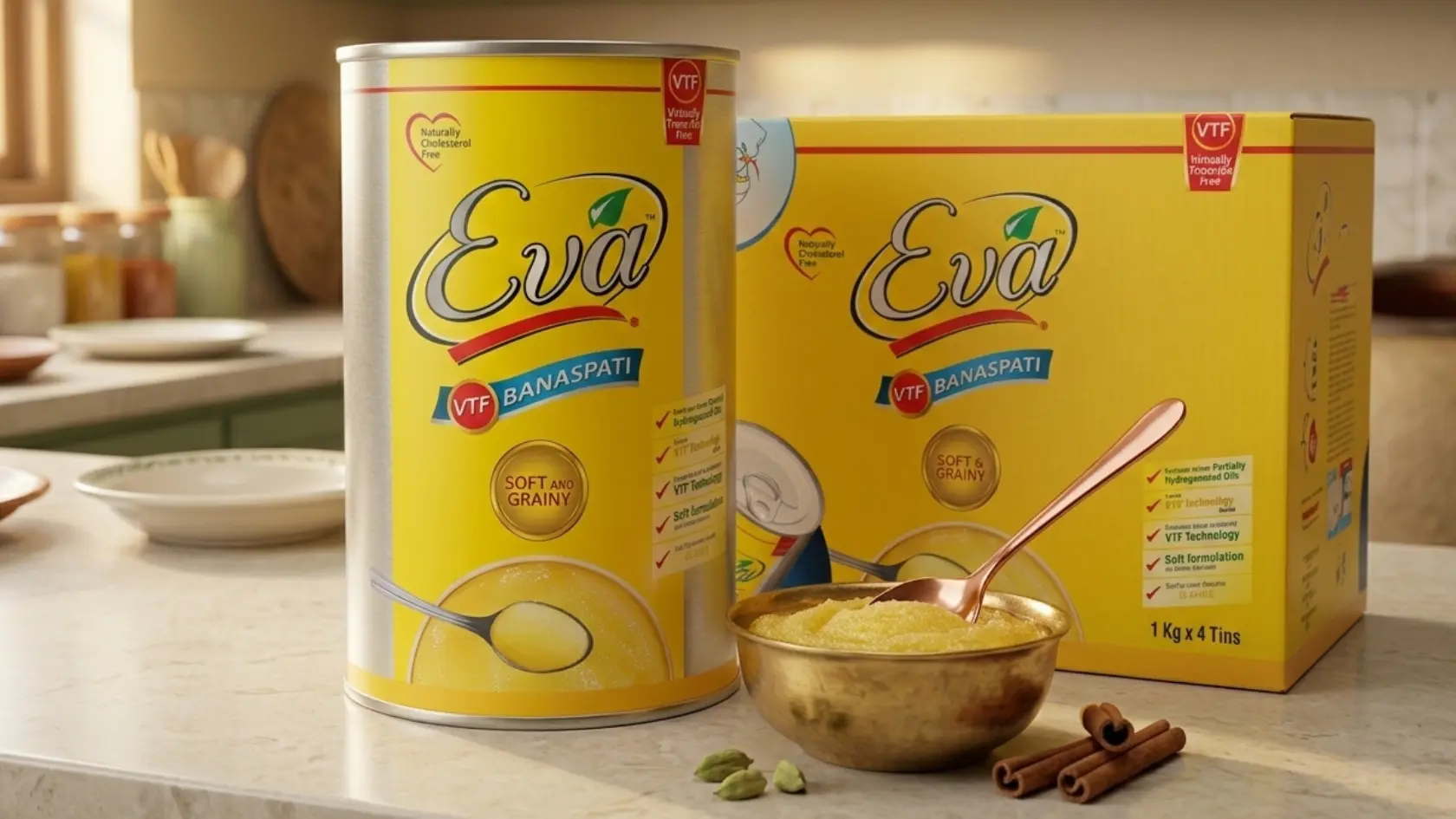
Banaspati ghee is a staple in almost every Pakistani kitchen – used for frying, baking, and preparing everyday meals like biryani, karahi, paratha, and halwa. But with dozens of brands on supermarket shelves, finding the best banaspati ghee in Pakistan means knowing what actually separates a high-quality product from an average one.
This guide breaks down what banaspati ghee is, how it’s made, what quality standards to check (like PSQCA certification), and how to choose a trusted brand – including where Eva fits into Pakistan’s cooking oil and ghee category.
The best banaspati ghee in Pakistan is PSQCA-certified, made from refined, hydrogenated vegetable oil with balanced trans-fat levels, has a neutral aroma, stable shelf life, and consistent texture across seasons – qualities you’ll find in established brands such as Eva, alongside other major Pakistani ghee makers.
What Is Banaspati Ghee?
Banaspati ghee (also spelled vanaspati ghee) is a vegetable-based cooking fat made by hydrogenating refined vegetable oils – typically palm oil, soybean oil, or cottonseed oil – to give them a semi-solid texture similar to traditional desi ghee.
Unlike desi ghee, which is made from animal milk fat (usually cow or buffalo), banaspati ghee is 100% plant-based. This makes it:
- More affordable than desi ghee
- Longer-lasting on the shelf without refrigeration
- Neutral in taste, making it versatile for both sweet and savory dishes
- A common choice for commercial kitchens, bakeries, and restaurants
How Banaspati Ghee Is Made
Understanding the production process helps explain why quality varies so much between brands:
- Refining – Raw vegetable oil is refined to remove impurities, color, and odor.
- Hydrogenation – Hydrogen is added to the oil under controlled heat and pressure, converting liquid oil into a semi-solid fat.
- Blending – Manufacturers blend oils (often palm and soybean) to control texture, melting point, and mouthfeel.
- Fortification – Many Pakistani brands fortify banaspati ghee with Vitamin A and Vitamin D, per government nutrition guidelines.
- Packaging & Quality Testing – Certified manufacturers test for free fatty acid content, trans-fat percentage, and peroxide value before packaging.
Key Factors That Define the Best Banaspati Ghee in Pakistan
When comparing banaspati ghee brands, look for these quality markers:
| Factor | Why It Matters |
| PSQCA Certification | Confirms the product meets Pakistan Standards and Quality Control Authority safety benchmarks |
| Low Trans-Fat Content | Modern, well-refined ghee keeps trans fats within internationally recommended limits |
| Vitamin A & D Fortification | Adds nutritional value, especially important in a staple cooking fat |
| Consistent Texture | Should remain smooth and spreadable without separating in normal room temperatures |
| Neutral Smell & Taste | Should not carry a strong chemical or rancid odor |
| Shelf Life & Packaging | Sealed tins or pouches that protect against oxidation and contamination |
| Brand Reputation & Availability | Widely distributed brands are generally subject to more consistent quality control |
Banaspati Ghee vs. Desi Ghee vs. Cooking Oil
People often ask how banaspati ghee compares to other cooking fats. Here’s a quick breakdown:
- Banaspati Ghee: Plant-based, semi-solid, budget-friendly, great for frying and baking, longer shelf life.
- Desi Ghee: Made from milk fat, rich aroma, higher cost, traditionally used in special dishes and desserts.
- Cooking Oil: Liquid at room temperature, lighter texture, commonly used for everyday sautéing and frying.
Each has a place in a Pakistani kitchen – many households use banaspati ghee for daily cooking and desi ghee for festive or special-occasion dishes.
Is Banaspati Ghee Healthy?
Banaspati ghee, when produced by certified manufacturers using modern refining methods, has significantly lower trans-fat levels than older-generation vanaspati products from decades past. Reputable Pakistani brands now follow PSQCA limits on trans-fatty acids and fortify their ghee with essential vitamins.
Moderation tips:
- Use banaspati ghee in normal cooking quantities rather than excessive frying.
- Balance your diet with other fat sources like olive oil or nuts.
- Choose brands that clearly disclose trans-fat percentages on packaging.
- Store in a cool, dry place away from direct sunlight to preserve quality.
This section is for general informational purposes and is not medical advice. Consult a nutritionist for personalized dietary guidance.
How to Choose the Best Banaspati Ghee Brand in Pakistan
Follow this simple checklist before buying:
- Check for PSQCA approval on the packaging.
- Read the ingredient list – look for clearly labeled vegetable oil sources.
- Check fortification details (Vitamin A & D).
- Compare pack sizes – 1kg, 2.5kg, 5kg, and 16kg tins suit different household and commercial needs.
- Buy from trusted retailers to avoid counterfeit or expired stock.
- Consider brand consistency – a good ghee should perform the same way every time you cook with it.
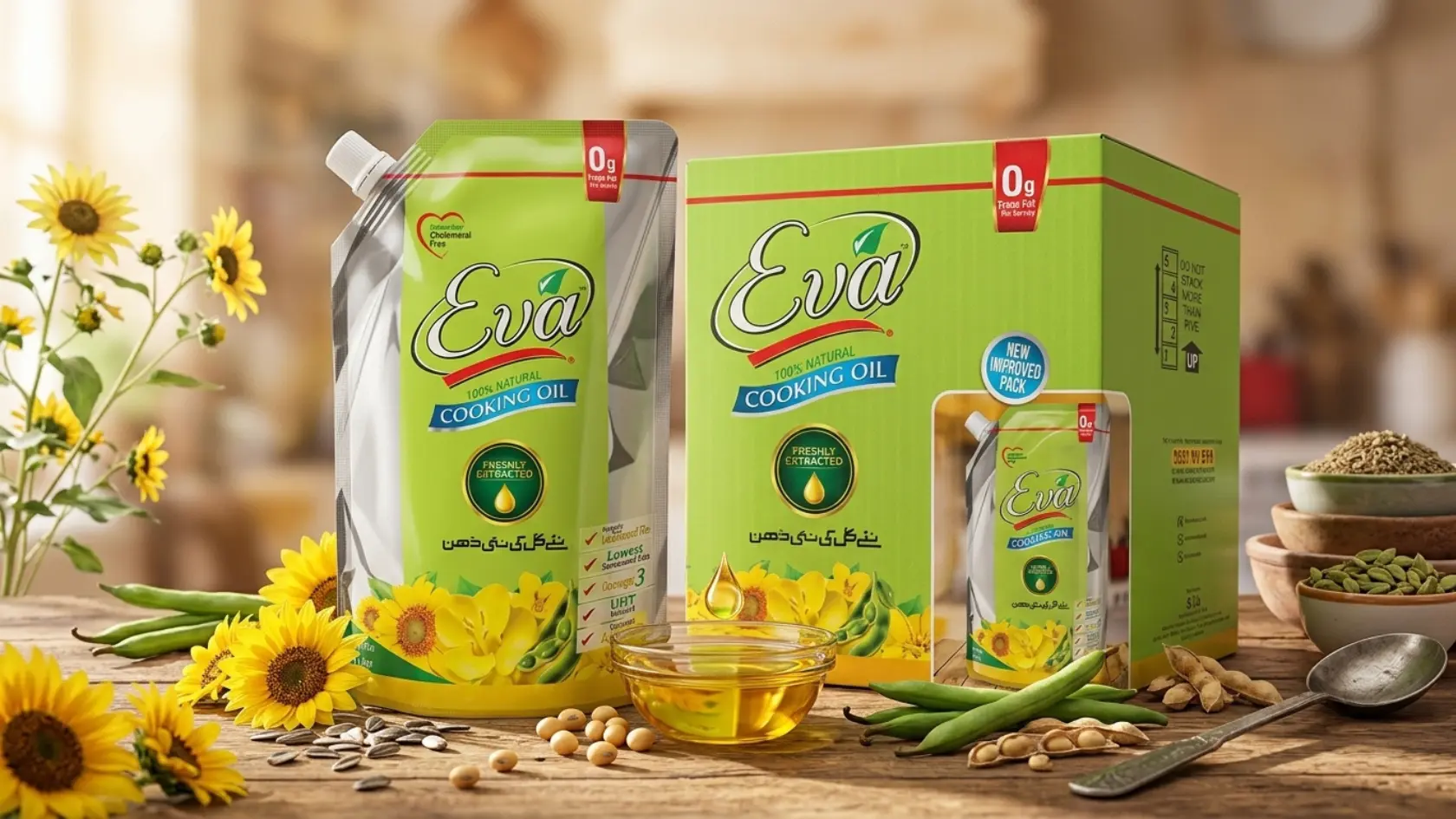
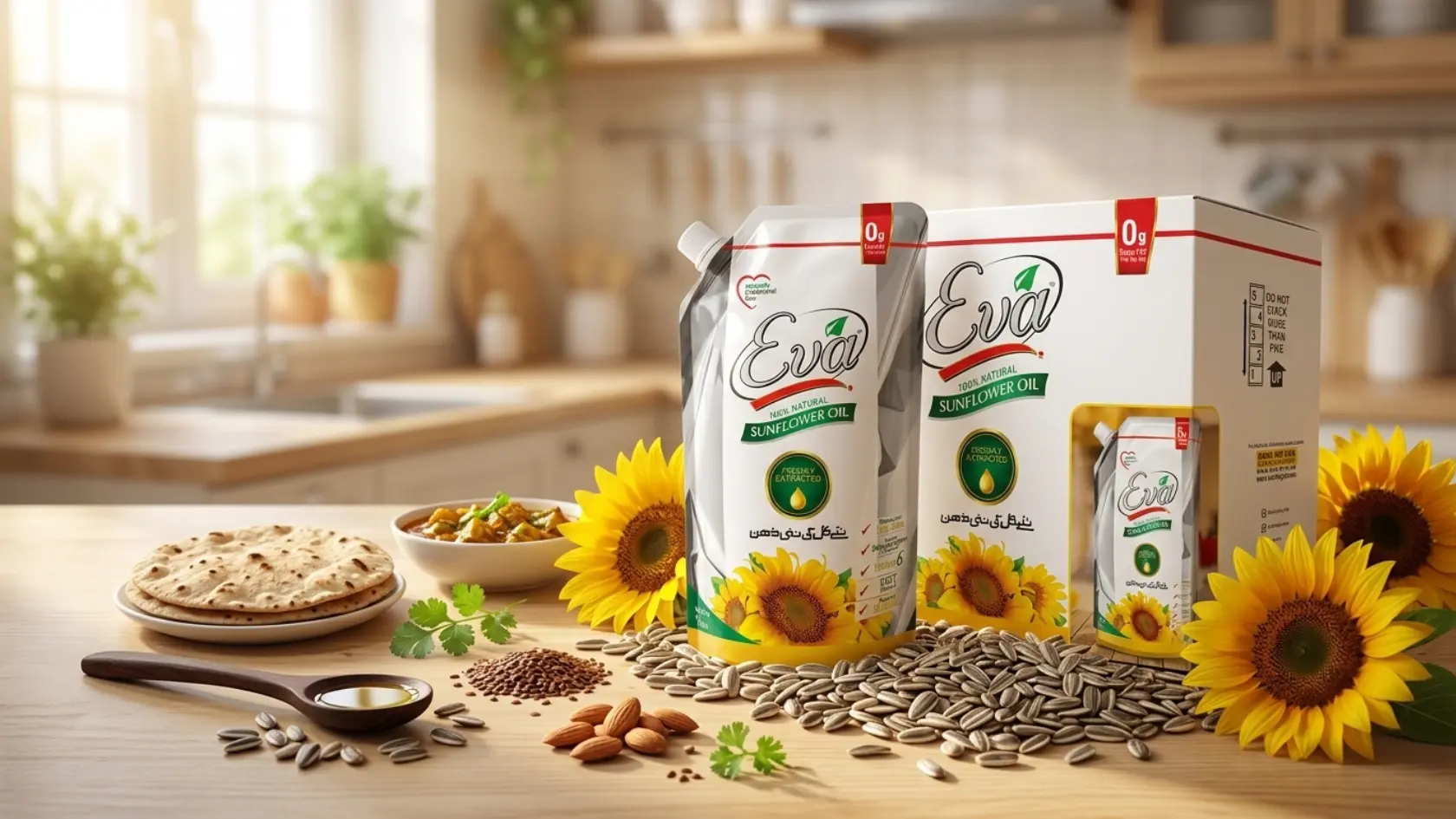
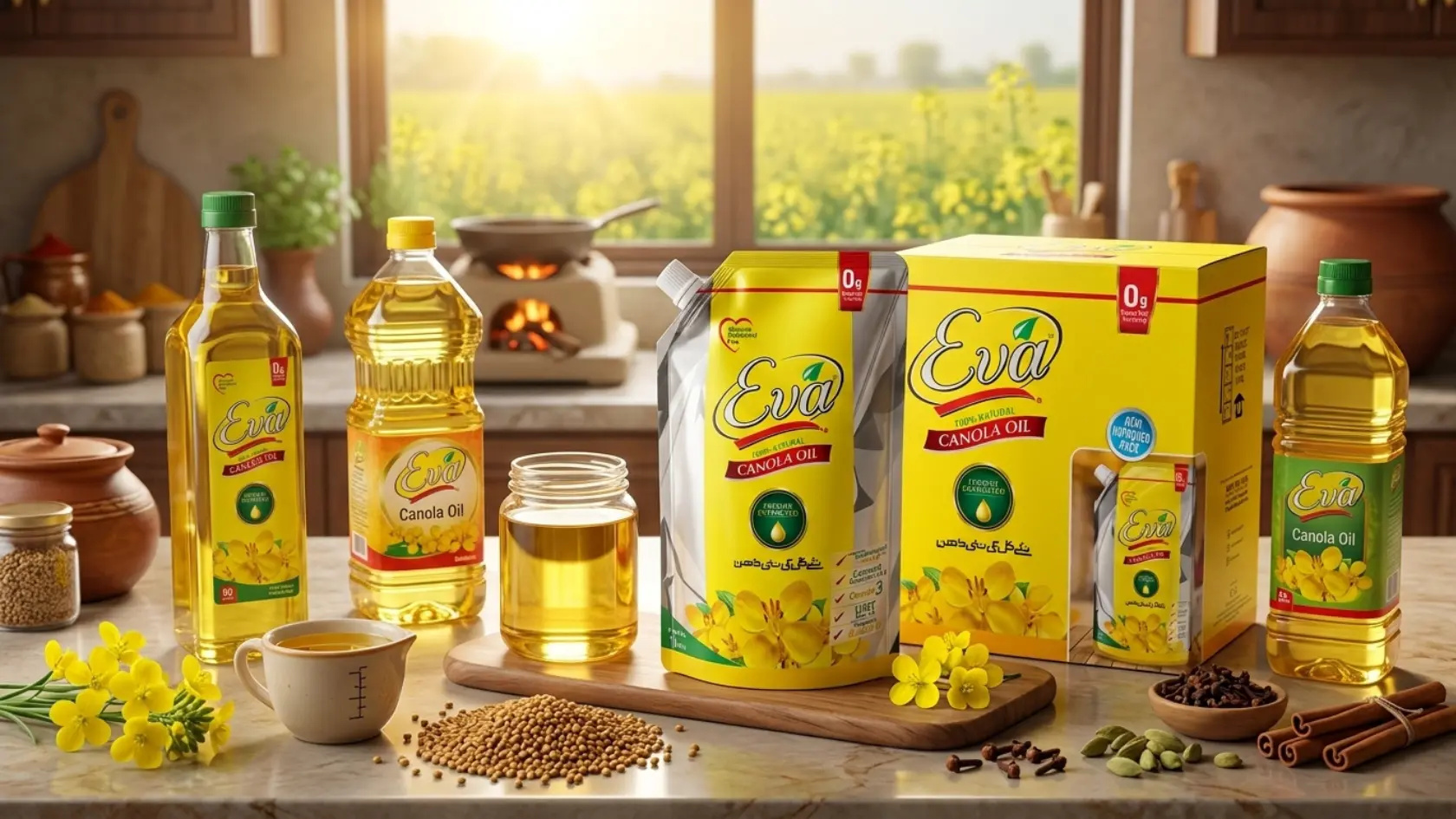
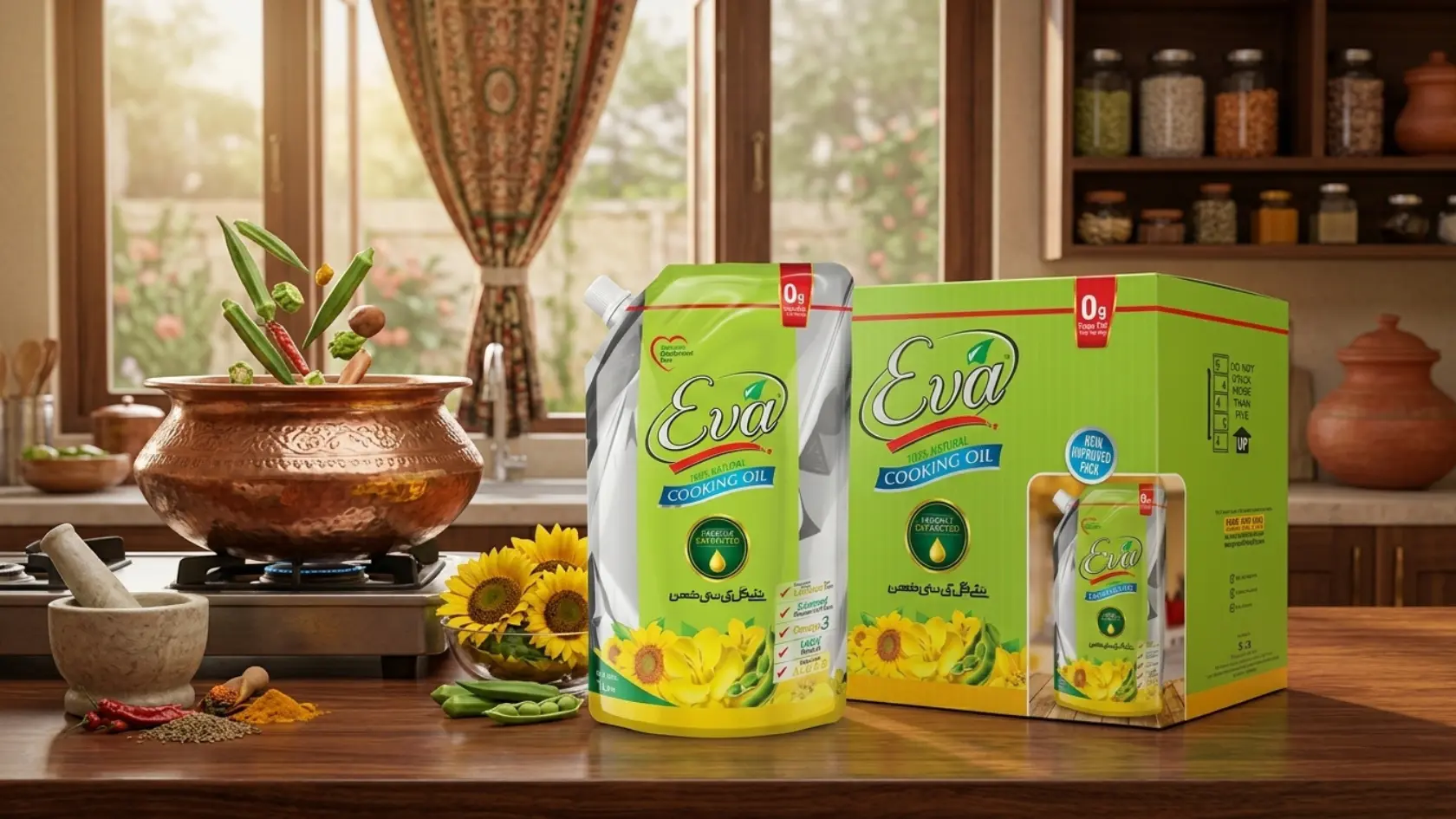
Pakistan’s cooking oil and ghee market includes several established names, and Eva is one of the recognized brands operating in this category, offering ghee and cooking oil products positioned for everyday household use.
Best Uses for Banaspati Ghee in Pakistani Cooking
- Frying: Samosas, pakoras, and fried snacks hold their crispness well.
- Curries & Karahi: Adds richness to gravies without overpowering spices.
- Baking: Used in traditional sweets like halwa and ladoo for texture.
- Parathas & Rotis: Creates the flaky layers Pakistani flatbreads are known for.
- Biryani & Pulao: Enhances aroma and helps achieve the right rice texture.
Our Ghee & Cooking Oil Category
If you’re comparing options, Eva’s product range includes:
- Banaspati Ghee – everyday cooking ghee in multiple pack sizes
- Cooking Oil – refined vegetable and canola oil options
- Specialty Fats – blended oils for baking and commercial use
What People Often Ask
Q1. What is the healthiest banaspati ghee brand in Pakistan?
The healthiest banaspati ghee brands are those certified by PSQCA, with disclosed low trans-fat content and fortification with Vitamin A and D. Always check the label rather than relying on brand name alone.
Q2. Is banaspati ghee better than desi ghee?
Neither is universally “better” – they serve different purposes. Banaspati ghee is more affordable, has a longer shelf life, and works well for daily frying and cooking, while desi ghee offers a richer, traditional flavor often preferred for special dishes.
Q3. Does banaspati ghee contain trans fat?
Yes, hydrogenation can produce some trans fat, but PSQCA-regulated manufacturers in Pakistan are required to keep trans-fat levels within approved safety limits. Checking the nutrition label is the best way to confirm this for any specific brand.
Q4. How should banaspati ghee be stored?
Store banaspati ghee in a cool, dry place away from direct sunlight and heat sources. Keep the container tightly sealed after each use to prevent oxidation and maintain freshness.
Q5. Which pack size of banaspati ghee is best for a family?
For an average household, a 2.5kg or 5kg tin is typically most economical and practical, while smaller 1kg packs suit single households or occasional cooking needs. Larger 16kg tins are generally used by restaurants and commercial kitchens.
Q6. Can banaspati ghee be used for baking?
Yes, banaspati ghee is commonly used in Pakistani baking and traditional sweets because its semi-solid texture and neutral flavor work well in recipes like halwa, ladoo, and certain pastries.
The Bottom Line
Choosing the best banaspati ghee in Pakistan comes down to three things: certification, ingredient transparency, and consistent quality. Look for PSQCA-approved products, check for vitamin fortification, and buy from brands with a reliable market presence – Eva being one of the established names in Pakistan’s ghee and cooking oil category.
Ready to stock your kitchen with quality ghee? Explore Eva’s banaspati ghee range and find the pack size that fits your household or business needs. Shop Eva Banaspati Ghee Now →