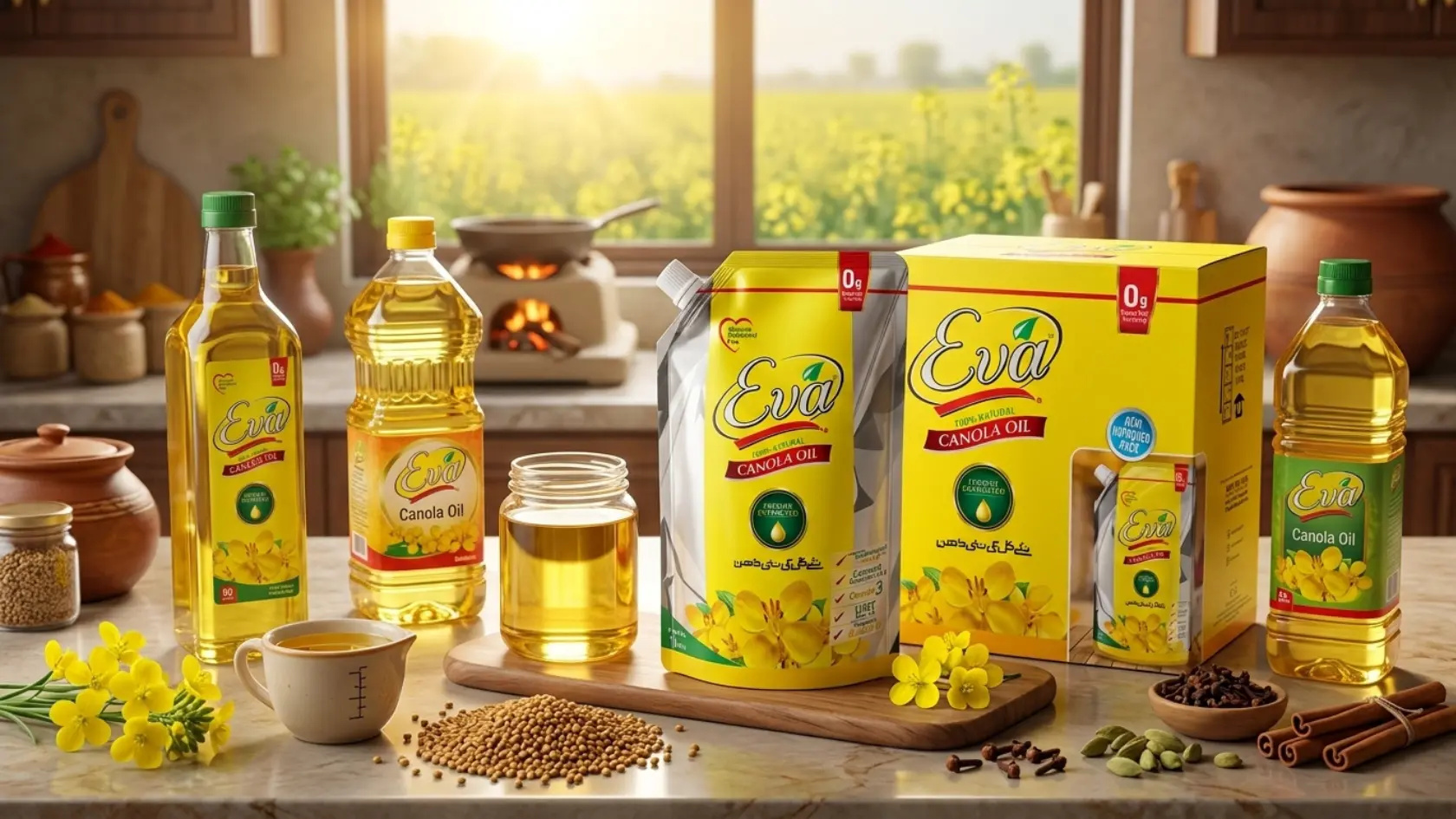
Choosing the best canola oil in Pakistan can feel overwhelming with dozens of brands lining supermarket shelves, each claiming to be the “healthiest” option. This guide cuts through the marketing noise with an evidence-based look at what canola oil actually is, why nutritionists recommend it, and exactly what to check on the label before you buy – so you can make a confident, informed choice for your kitchen.
The best canola oil in Pakistan is one that is 100% pure (no blending with cheaper palm or soybean oil), cold-pressed or refined using minimal heat, low in saturated fat (under 7%), and sealed in food-grade, BPA-free packaging with a valid PSQCA/HALAL certification. Brands such as Eva, along with other established local names, meet these criteria and are widely available across Pakistan.
What Is Canola Oil and Why Does It Matter?
Canola oil is a vegetable oil extracted from the seeds of the canola plant (a cultivar of rapeseed bred specifically to have low erucic acid content). It’s one of the most balanced cooking oils available, prized for its:
- Low saturated fat content (about 7%, the lowest of any common cooking oil)
- High monounsaturated fat (around 63%), similar to olive oil
- Good omega-3 to omega-6 ratio, supporting heart health
- Neutral flavor and high smoke point (~204°C / 400°F), making it suitable for frying, baking, and sautéing alike
In Pakistan, where diets are increasingly linked to rising rates of cardiovascular disease and diabetes, switching from traditional ghee or unrefined oils to a lighter, cholesterol-conscious option like canola oil is a change many doctors and nutritionists actively recommend.
Why Pakistanis Are Switching to Canola Oil
Several converging factors are driving demand for canola oil across Pakistani households:
- Rising health awareness – More families are reading nutrition labels and actively avoiding trans fats and excess saturated fat.
- Doctor recommendations – Cardiologists frequently advise heart patients and pre-diabetics to switch from ghee/banaspati to lighter oils.
- Cooking versatility – Canola oil works equally well for frying pakoras, baking, salad dressings, and everyday curries without overpowering flavor.
- Affordability versus imported olive oil – Canola oil delivers many of the same heart-health benefits as olive oil at a more accessible local price point.
- Improved local availability – Trusted brands, including Eva, now produce canola oil domestically with modern refining standards, making high-quality options easier to find in local stores and online.
How to Choose the Best Canola Oil in Pakistan: 7 Key Factors
Not all canola oil sold in Pakistan is equal. Here’s what to actually check before buying:
| Factor | What to Look For | Why It Matters |
| Purity | “100% Canola Oil” on the label, not a blend | Blended oils dilute the health benefits |
| Saturated fat | Under 7g per 100ml | Lower saturated fat = better heart health |
| Trans fat | 0g trans fat | Trans fats raise bad (LDL) cholesterol |
| Certification | PSQCA and HALAL certified | Confirms safety and quality compliance |
| Packaging | Sealed, food-grade, BPA-free bottles or tins | Prevents oxidation and contamination |
| Smoke point | 200°C+ | Ensures safe use for frying without breaking down |
| Brand reputation | Established manufacturer with visible sourcing/QC info | Signals consistency and accountability |
Reading the Label: A Quick Checklist
- Ingredients list shows only canola oil (no soybean/palm oil blend unless labeled as a blend)
- Nutrition panel shows 0g trans fat
- PSQCA mark and HALAL logo are present
- Manufacturing and expiry dates are clearly printed
- Bottle/tin is intact, properly sealed, and stored away from direct sunlight at the point of sale
Health Benefits of Canola Oil
Canola oil’s nutritional profile makes it one of the most heart-friendly cooking oils on the market:
- Heart health: Its high monounsaturated fat content helps reduce LDL (bad) cholesterol while maintaining HDL (good) cholesterol.
- Omega-3 fatty acids: Contains ALA (alpha-linolenic acid), a plant-based omega-3 linked to reduced inflammation.
- Vitamin E: A natural antioxidant that supports skin and immune health.
- Low in saturated fat: Among the lowest of all common cooking oils, making it a smart substitute for ghee or butter in daily cooking.
- Diabetes-friendly: Some studies suggest canola oil may help improve insulin sensitivity when used as part of a balanced diet.
Note: Canola oil is a healthy addition to most diets, but no single oil is a substitute for overall balanced nutrition. People with specific medical conditions should consult a registered dietitian or physician before making major dietary changes.
Canola Oil vs. Other Popular Cooking Oils in Pakistan
| Oil Type | Saturated Fat | Smoke Point | Best For |
| Canola Oil | ~7% | ~204°C | Everyday cooking, frying, baking, heart-conscious diets |
| Sunflower Oil | ~11% | ~227°C | High-heat frying |
| Banaspati Ghee | ~50%+ | ~190°C | Traditional dishes (higher saturated fat) |
| Olive Oil (Extra Virgin) | ~14% | ~160–190°C | Salads, low-heat cooking |
| Soybean Oil | ~15% | ~230°C | General cooking |
Canola oil consistently ranks among the lowest in saturated fat while still offering a high enough smoke point for typical Pakistani cooking methods – a combination few other oils match.
Where to Buy Quality Canola Oil in Pakistan
The best canola oil in Pakistan is available through:
- Major supermarket chains (Imtiaz, Metro, Carrefour, Al-Fatah)
- Local grocery stores (kiryana shops) in most urban centers
- Online grocery platforms offering doorstep delivery
- Direct brand websites, where you can often verify batch certification and freshness
Look for brands with visible quality certifications and transparent sourcing – this is one of the simplest ways to avoid counterfeit or adulterated products, which unfortunately remain a concern in Pakistan’s edible oil market.
Featured Cooking Oil Category
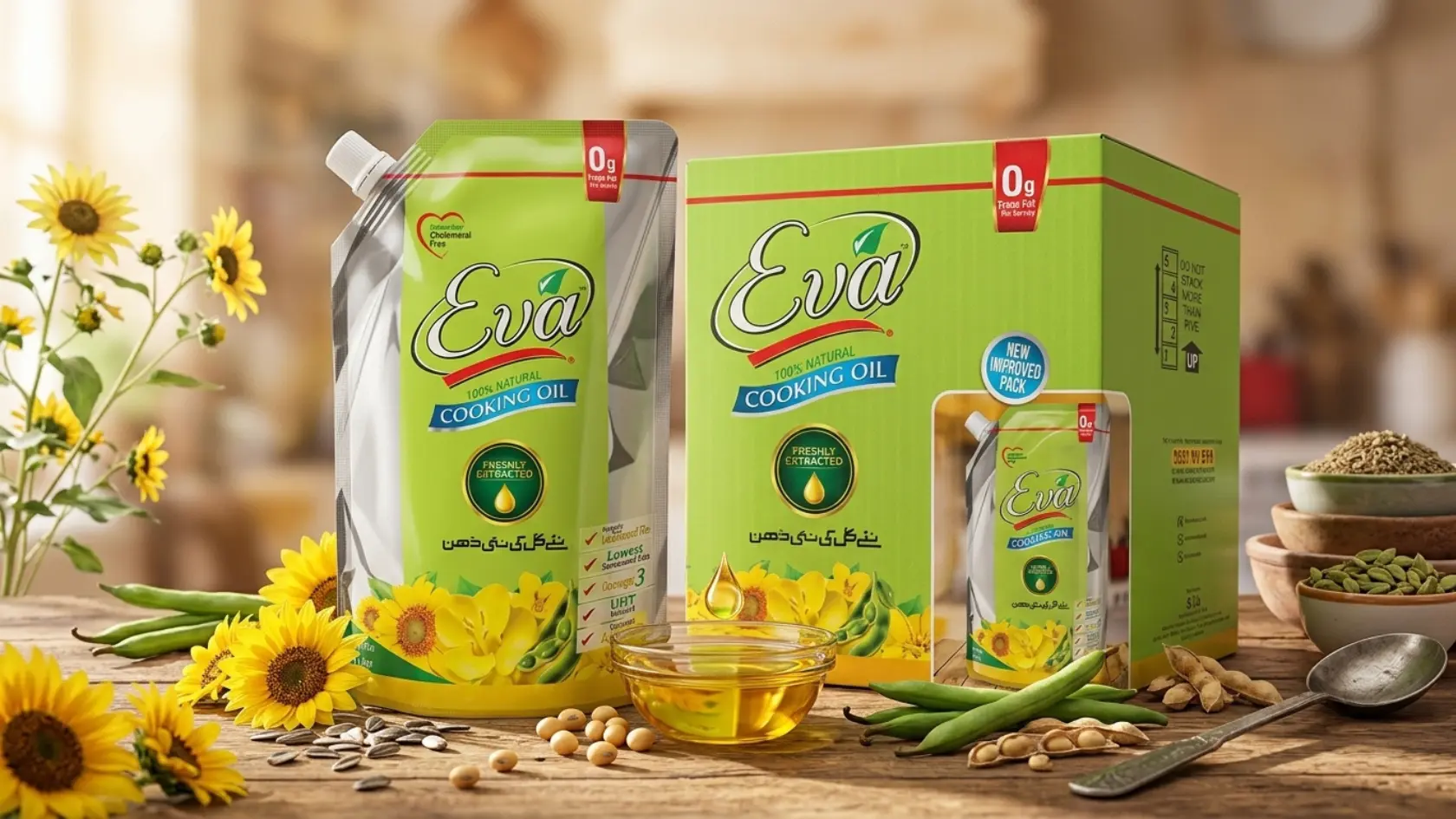
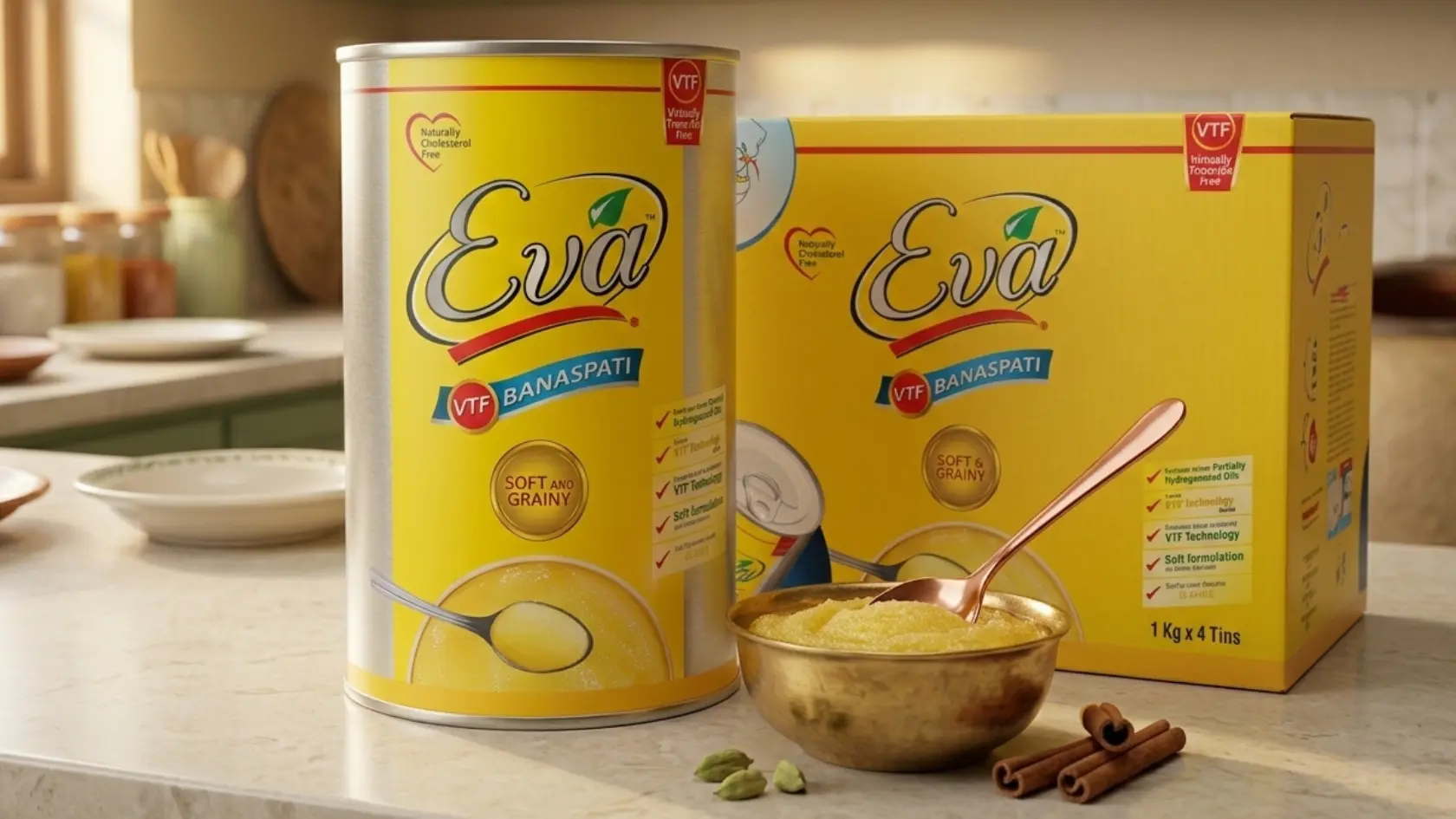
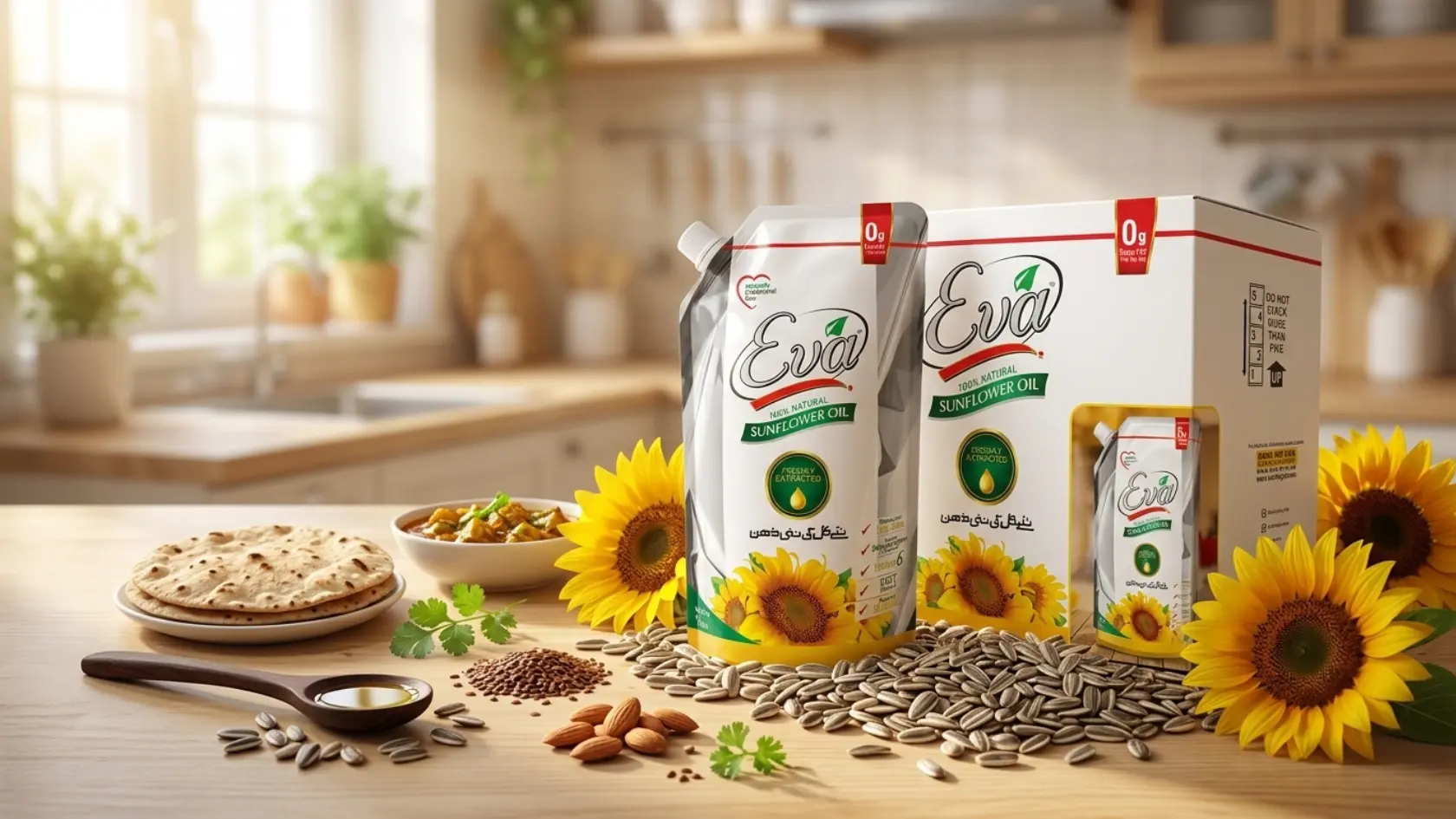
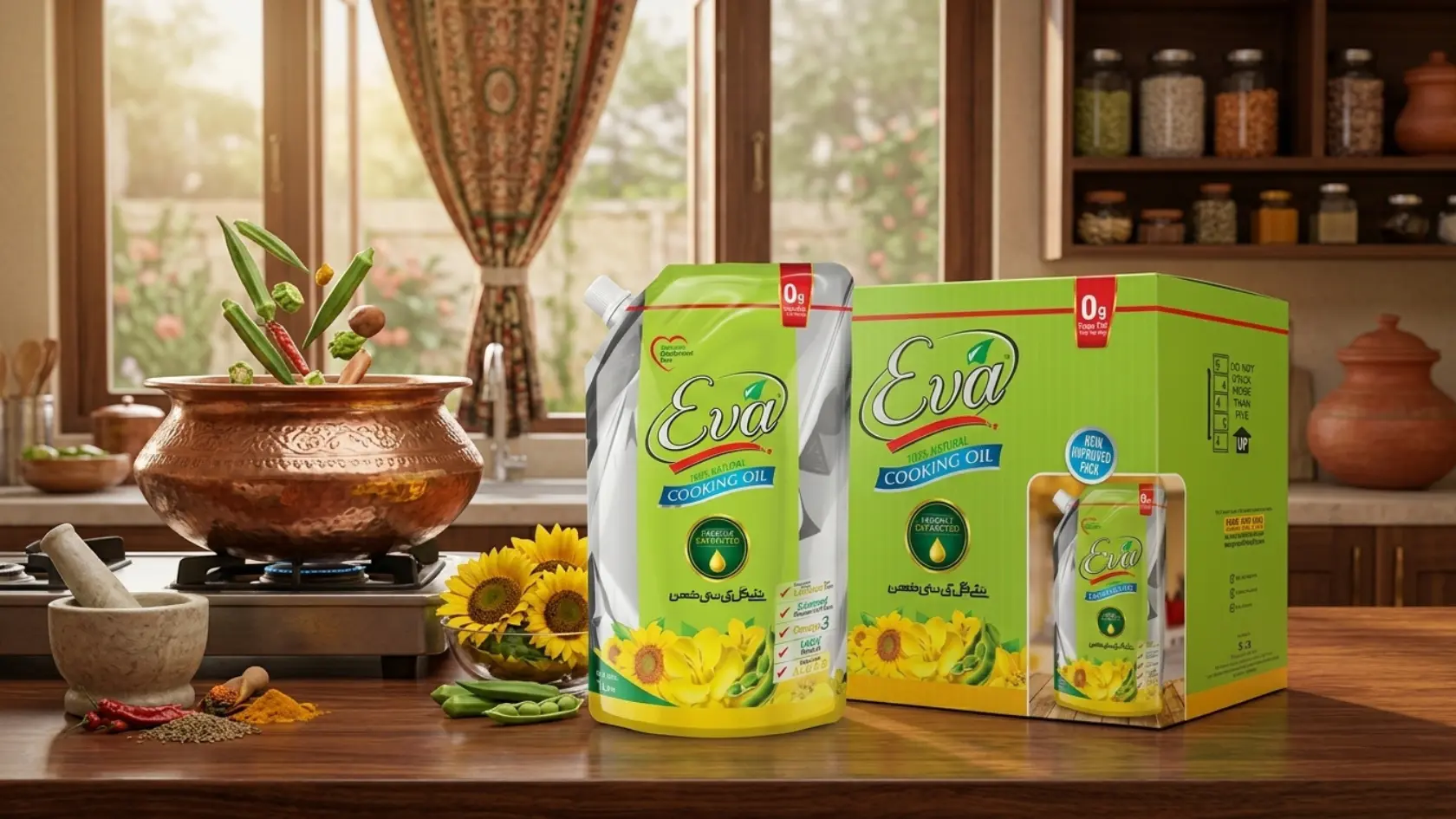
If you’re comparing options, Eva offers a canola oil formulated for everyday Pakistani households – positioned around purity, a heart-conscious fat profile, and consistent quality control. It sits within a broader cooking oils and ghee category that also includes sunflower oil and banaspati ghee, giving households flexibility to choose the right oil for different dishes while staying within a single trusted brand ecosystem.
Let’s Answer Your Questions
Q1. Is canola oil good for health in Pakistan’s climate and cooking style?
Yes. Canola oil’s high smoke point (~204°C) makes it well-suited to Pakistani cooking methods like frying, sautéing, and tempering (tarka), while its low saturated fat content supports heart health – an increasing concern given rising cardiovascular disease rates in Pakistan.
Q2. Which is the best canola oil brand in Pakistan?
The best choice depends on purity, certification, and price. Look for 100% pure canola oil (not a blend), PSQCA and HALAL certification, 0g trans fat, and sealed packaging. Established local brands, including Eva, meet these standards and are widely available.
Q3. Is canola oil better than sunflower oil?
Canola oil generally has less saturated fat (~7% vs. ~11% in sunflower oil) and a better balance of omega-3 to omega-6 fatty acids, making it a slightly better option for heart health. Sunflower oil has a marginally higher smoke point, making it a common choice for very high-heat frying.
Q4. Can canola oil be used for daily cooking and frying?
Yes. Canola oil’s neutral taste and high smoke point make it suitable for daily use – from frying and baking to salad dressings – without significantly altering the flavor of food.
Q5. Is canola oil expensive compared to other oils in Pakistan?
Canola oil is typically priced similarly to or slightly above standard sunflower or soybean oil, but noticeably below imported olive oil, making it an accessible mid-range option for health-conscious households.
Q6. How can I tell if canola oil is pure or adulterated?
Check that the label says “100% Canola Oil,” confirm PSQCA and HALAL certification marks are present, inspect the seal for tampering, and buy from reputable retailers or directly from the brand to reduce the risk of counterfeit products.
The Bottom Line
The best canola oil in Pakistan comes down to three non-negotiables: purity, certification, and low saturated fat. When you check the label for 100% canola content, PSQCA and HALAL marks, and 0g trans fat, you’re already ahead of most shoppers. Brands like Eva have built their canola oil around exactly this standard – pure, heart-conscious, and quality-controlled – making it easy to bring a genuinely healthier cooking oil into your kitchen without compromising on taste or performance.
Ready to make the switch? Explore Eva’s canola oil and full cooking oils & ghee range to find the right fit for your family’s kitchen today.